25 kW + 48 kWh 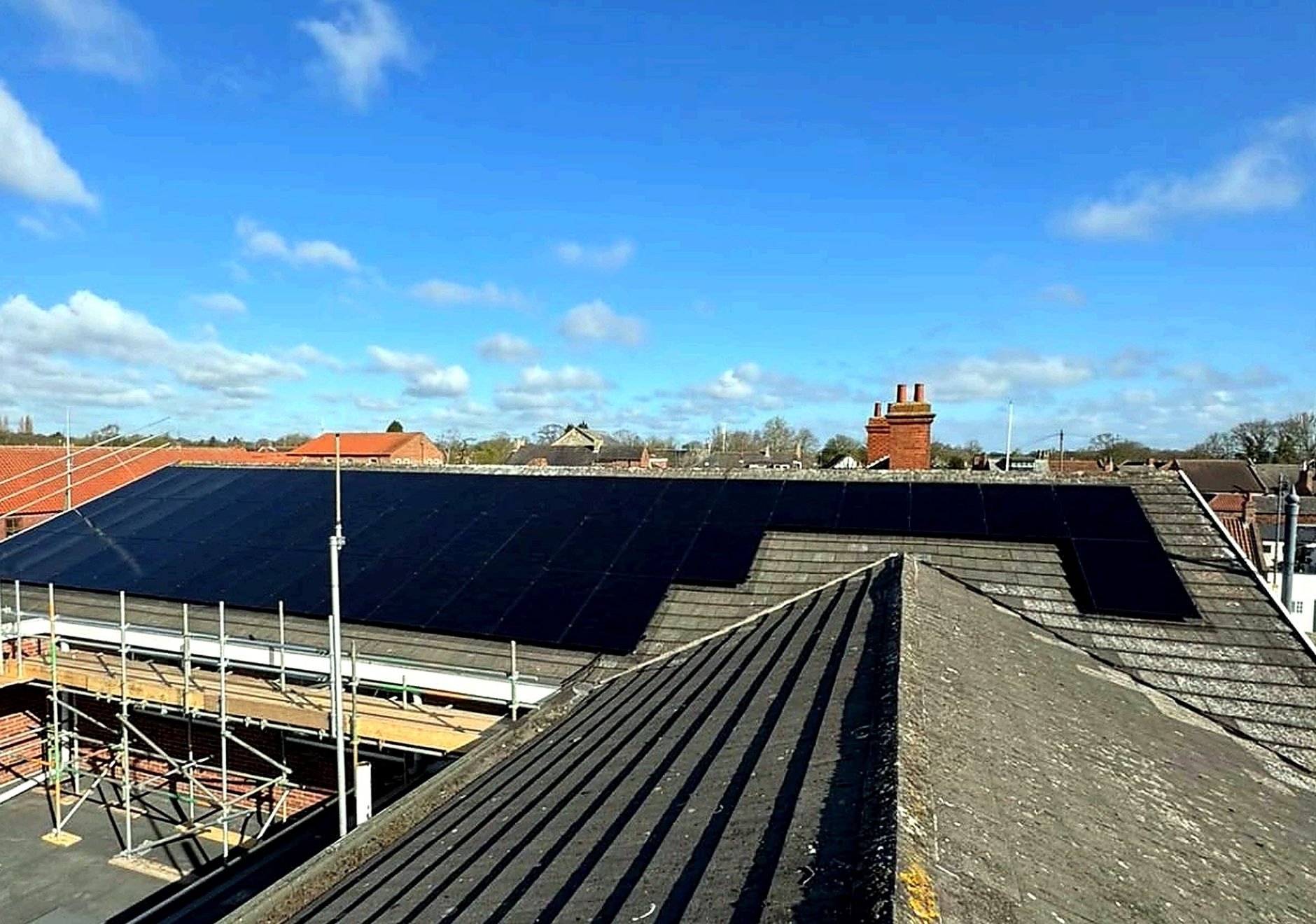

Business · Commercial battery storage
Containerised and cabinet BESS to shift generation, shave peaks and protect critical loads.
What’s included
Battery storage that shifts generation, trims peaks and protects critical loads — hybrid or AC-coupled, and monitored remotely.
Charge from surplus solar or cheaper periods, then discharge when grid power costs most — trimming the peaks the site would otherwise buy in from the grid.
The loads that matter can sit on a backup supply that stays live from the battery when the grid drops. What is covered is set out in the design.
Hybrid designs run new PV and storage through one inverter; AC-coupled designs add a battery alongside an array that is already generating.
Battery state, generation and grid flow visible remotely, with reporting you can act on.
Cabinet systems for plant rooms and smaller sites, and containerised systems where the storage needs an enclosure of its own.
Installed and commissioned at Cottingham Civic Hall alongside a 25 kW array, with three-string DC isolation for maximum self-consumption.
Peak shaving & tariff arbitrage
A battery stores energy generated during the day (or bought cheaply overnight) and releases it when you need it most. On a business site, that means holding on to surplus solar instead of exporting it, and covering the expensive parts of the day from storage.
Where a tariff has cheaper and pricier periods, the principle is simple: charge cheap, discharge expensive — even in winter when solar is low. Peak shaving applies the same logic to the site’s highest-demand moments, trimming how much power it draws from the grid at once. How much that is worth depends on the tariff and the site’s load profile.
Backup for critical circuits
Most modern hybrid systems offer Emergency Power Supply (EPS) — when the grid drops, essential circuits stay live from the battery, often with solar still charging it. On a business site, the design decides which circuits those are.
Which loads are protected, how long they can run and how quickly they switch over all depend on the equipment and the loads themselves, so each is set out in the design before anything is installed. Anything left off the backup supply simply waits for the grid to return.
The critical loads that go on the backup supply.
Storage matched to how long those loads need to run.
What switches over, and how, agreed before installation.
Products
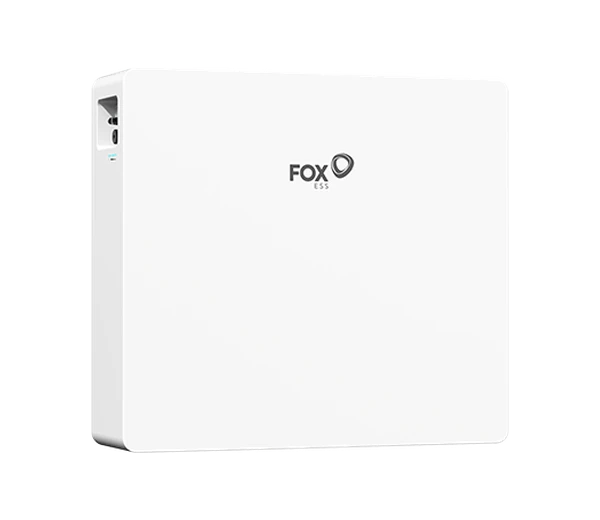
48 kWh of battery storage with a hybrid inverter at Cottingham Civic Hall.
Case studies
Hybrid and AC-coupled designs
Some sites are installing solar and storage together; others already have an array and want to keep more of what it makes. Hybrid and AC-coupled designs cover both, and the right choice depends on what is already on site and how the storage will be used.
Modern modular systems also let extra battery modules be added later as needs change — a new charging load, say, or more of the site on backup.
PV and battery through one inverter — the design at Cottingham Civic Hall, where 48 kWh of Fox ESS storage runs with a hybrid inverter and a 25 kW array.
The battery gets its own inverter on the AC side, so it can be added alongside an array that is already generating.
Capacity modelled against your half-hourly load profile, not the size of the roof.
Grants & funding
Finance routes for business assets — conditions shown in full on the funding page.
For businesses & landlords
Hire purchase, finance lease and operating lease for business solar, battery and EV-charging assets. Solar PV is special-rate plant, so its 100% first-year relief comes through the Annual Investment Allowance. We don’t arrange, broker or advise on finance — take your own tax advice.
Scheme details correct as of 2026. Grant funding, eligibility criteria and tariffs change frequently — always confirm current terms with the scheme administrator or with our team before committing.
How it works
One contractor, fully accountable from feasibility to commissioning.
Send us your roof plan or half-hourly data — we model generation against your actual load profile.
Structural and wind-load assessment, string design and the G99 / DNO application, handled end to end.
Scaffold and access by 100% Access Ltd, then our in-house teams install — phased around your operation where needed.
Testing and certification at handover, then planned and reactive maintenance with 24/7 emergency call-out.
Remote monitoring & reporting
A battery earns its place by doing the job it was designed for, day after day. Remote monitoring shows state of charge, generation and grid flow as they happen, and reporting turns that into something the site can act on — a tariff change, a new load or a fault to fix.
We commission onto a single inverter ecosystem where possible, so one platform shows generation, battery state and grid flow together. We’re a Fox ESS Registered Installer, listed on Fox ESS UK’s own installer map.
FAQs
Straight answers from the team who quotes and installs.
All FAQsSend a roof photo, site plan or half-hourly data on WhatsApp
Message on WhatsAppBy moving energy in time. It stores surplus solar, or power bought at cheaper times, and releases it when grid power costs most, while peak shaving trims the site’s highest-demand moments. What that is worth depends on your tariff and load profile, which is why we start from your half-hourly data.
Yes, where backup is designed in. Circuits on the backup supply stay live from the battery when the grid drops, often with solar still charging it. Which circuits are covered, how long they can run and how quickly they switch over are set out in the design.
Yes. An AC-coupled design adds the battery with its own inverter alongside the existing array. If you’re installing new PV at the same time, a hybrid design runs both through one inverter. Modular systems also leave room to add capacity later as the site’s needs change.
Yes. At Cottingham Civic Hall in East Yorkshire, a public-sector site, we installed and commissioned 48 kWh of Fox ESS battery storage with a hybrid inverter, three-string DC isolation and a 25 kW all-black array.
Hire purchase, finance lease and operating lease products exist for commercial solar, battery and EV-charging assets. Providers usually look for a limited company, LLP, sole trader or partnership with 2+ years of filed accounts, plus a site survey and commercial design pack. We don’t arrange, broker or advise on finance, so check terms with the provider and take your own tax advice.
Almost always. A battery that can export counts towards the site’s generation, and anything above 16 A per phase, about 11 kW on a three-phase supply, needs a G99 application and the network operator’s approval before it connects. We handle the G99 and DNO applications as part of the design.
Not in England at present. Plant used for onsite renewable generation and the storage that goes with it is left out of business-rates valuation until the end of March 2035. Rates rules differ in Wales and Scotland, so check with your council or rates adviser there.
Ready when you are
Send us your roof plan or half-hourly data. We’ll model generation against your actual load profile and come back with capacity, cost, payback and the funding routes available.
Where we work, nationwide from Weston-super-Mare