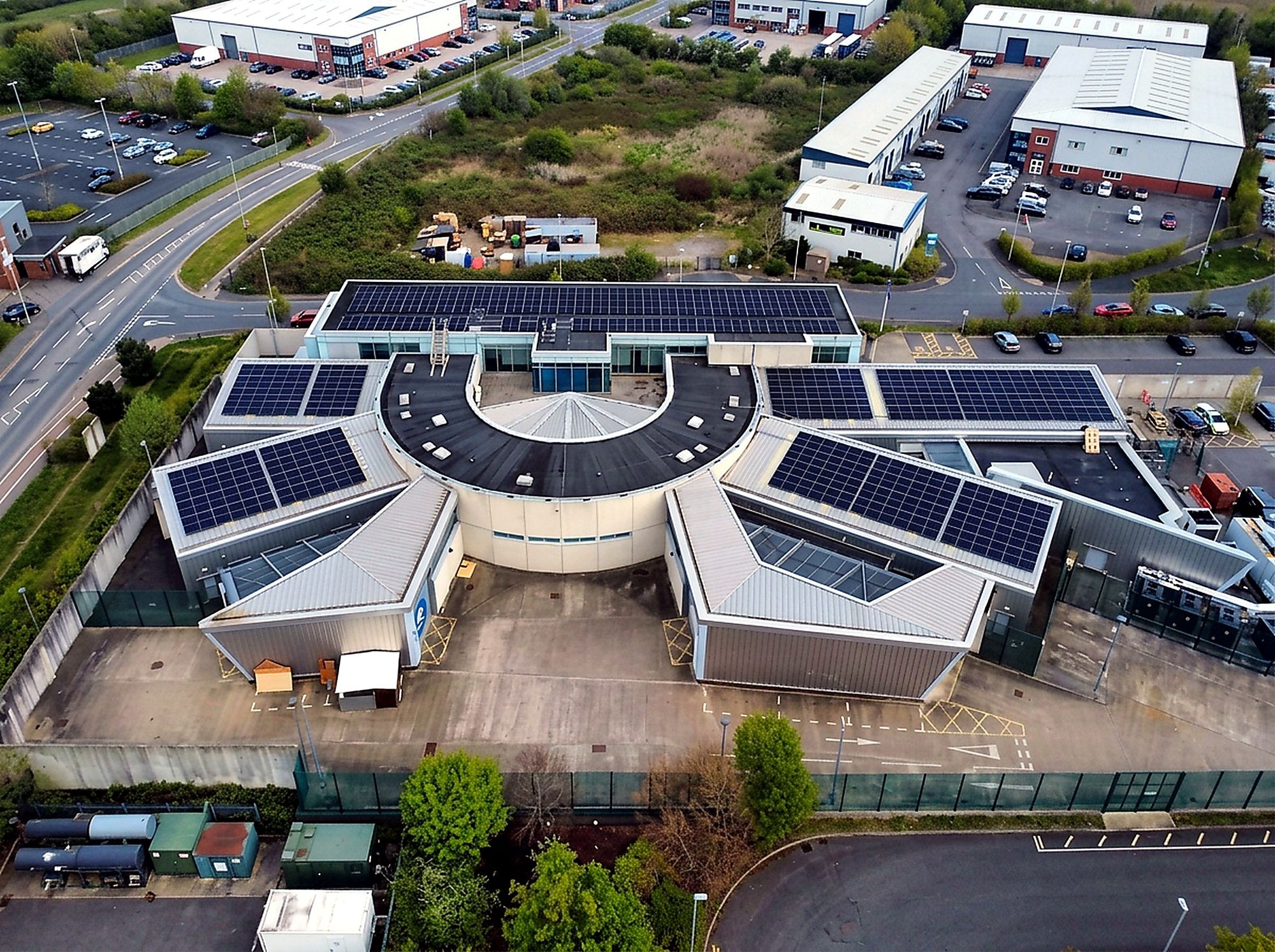
320 kW 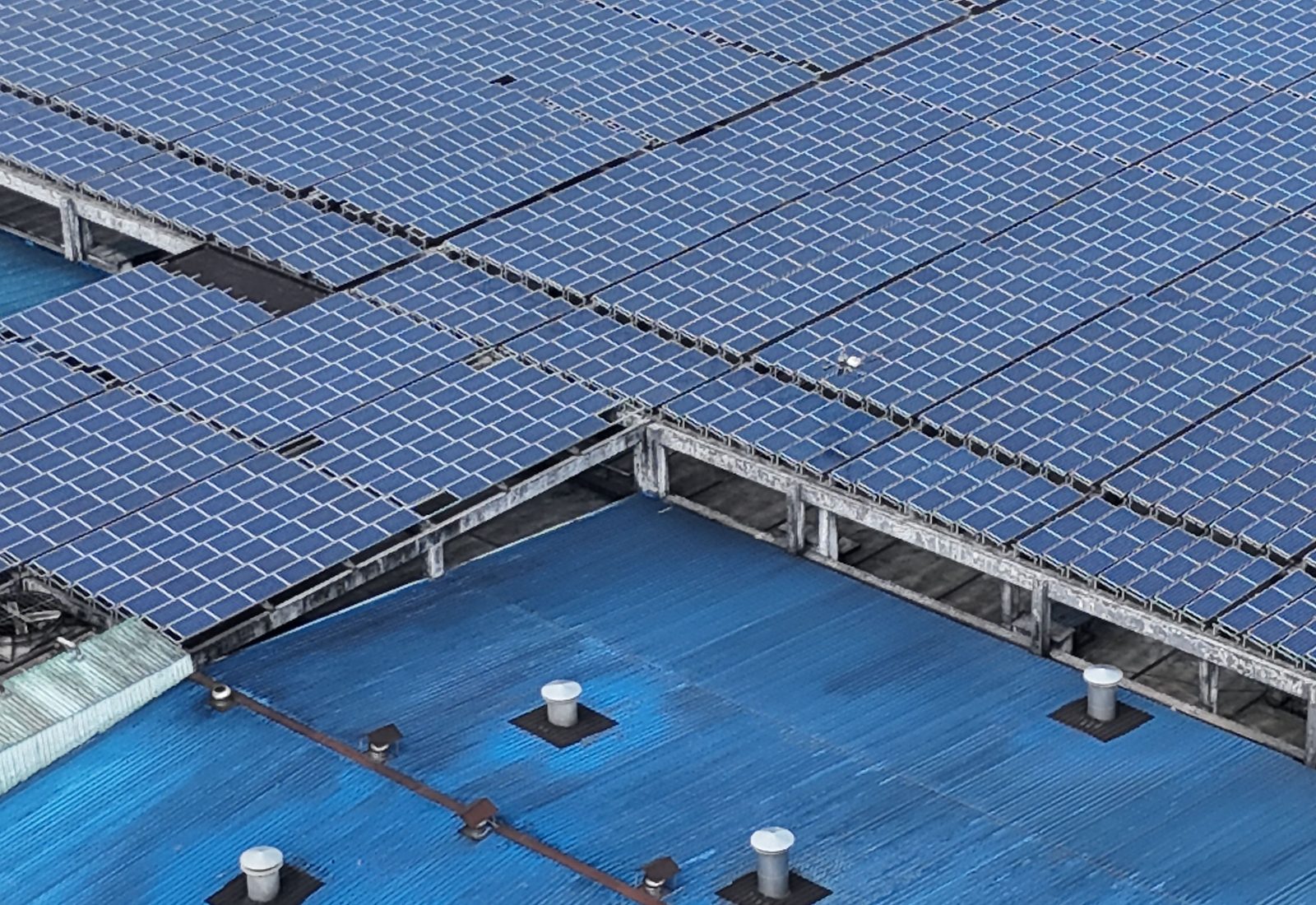 Illustrative photo
Business · Industrial solar panels
High-output arrays for manufacturing and logistics sites where load profile and power quality matter as much as yield.
What’s included
Generation modelled against how the site actually uses power, with the electrical works and the programme planned around production.
Your half-hourly data shows when the site draws power, shift by shift. We model generation against that actual load profile, so capacity is set by what the site can use rather than by roof area alone.
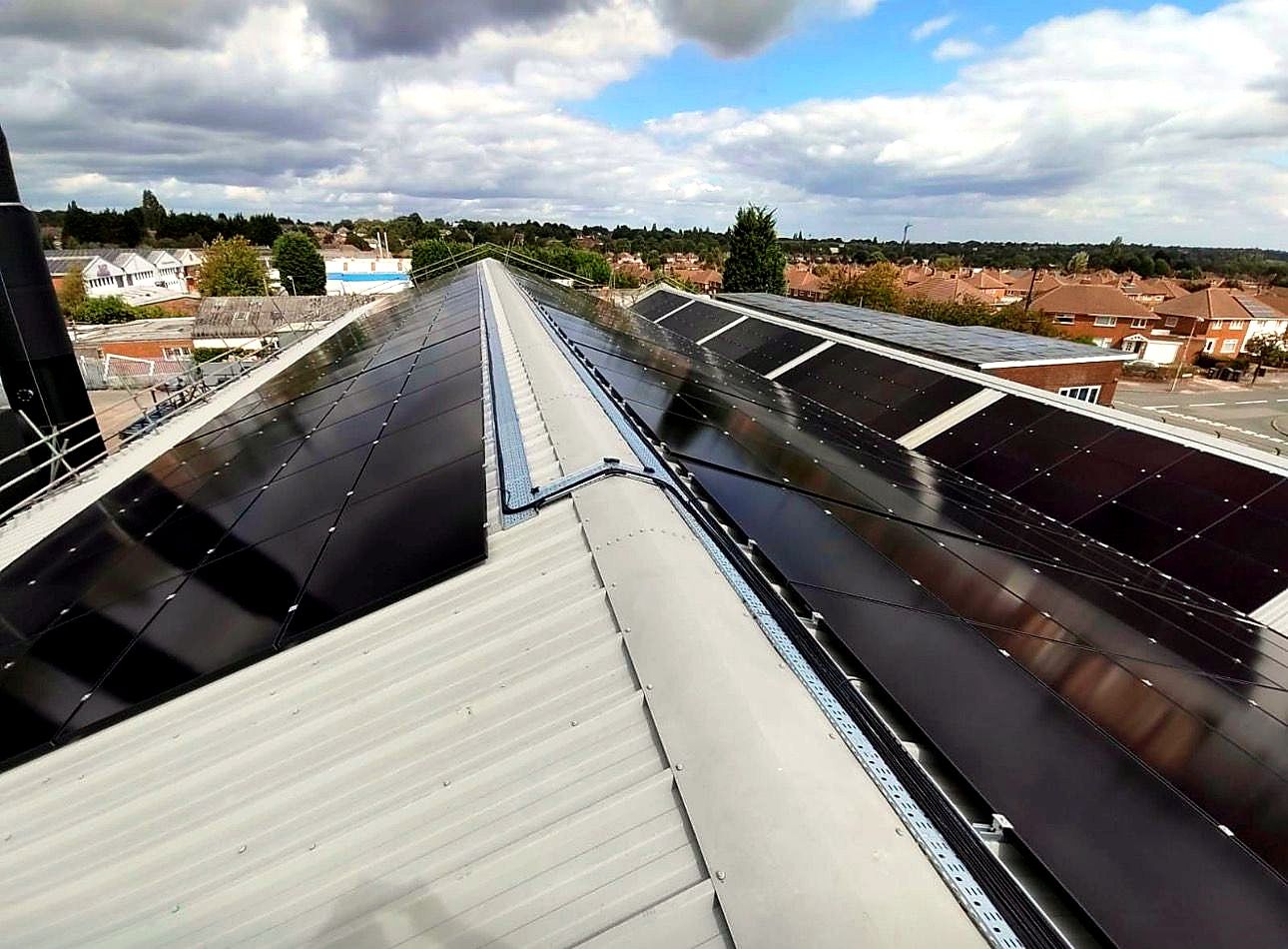
The electrical side stays with the same team: at our Birmingham factory install, the three-phase grid connection was engineered and commissioned alongside the rooftop mounting.
Work fronts and access phased around your shifts and operations. The Caple building at Avonmouth Docks was delivered on programme on a live industrial dockside.
Where the DNO caps how much a site can export, export limitation is designed in, so generation stays within the agreed limit while the site uses what it makes.
On multi-roof factories the string layout is engineered across every roof orientation — at Birmingham, 220 kW across four separate factory roofs with a three-phase connection.
The 320 kW Tan Sales roof in London carries a SolarEdge rapid-shutdown safety system, installed and commissioned by our in-house team.
Half-hourly load matching
An industrial array does most for the business when its output lines up with the site’s demand. Half-hourly data shows exactly when the site draws power — across shifts, weekends and seasonal peaks — so it’s where industrial design starts, as on any commercial rooftop solar project, not the roof area alone.
Modelling generation against that profile shows how much of the output the site will use and how much would be exported, before capacity is settled. Where generation would outstrip demand, battery storage or export limitation can be weighed at the same stage, and the result comes back with cost, payback and the funding routes available.
Three-phase & LV works
Manufacturing sites run production on three-phase supplies, and the equipment on them depends on a stable connection. Tying a large array into that system is electrical engineering as much as solar: the three-phase connection, the LV switchgear it lands on and any export limitation the DNO requires. Voltage, phase balance and protection all have to suit the site as well as the array.
At our Birmingham factory install, the in-house team delivered both the rooftop mounting and the full electrical side, engineering the string layout and three-phase connection to maximise generation across every roof orientation.
Engineered and commissioned with the array, as on the 220 kW Birmingham factory roofs.
The array’s connection into the site’s distribution, by the same team as the roof.
Designed in where required, so export stays within what the DNO agrees.
Products
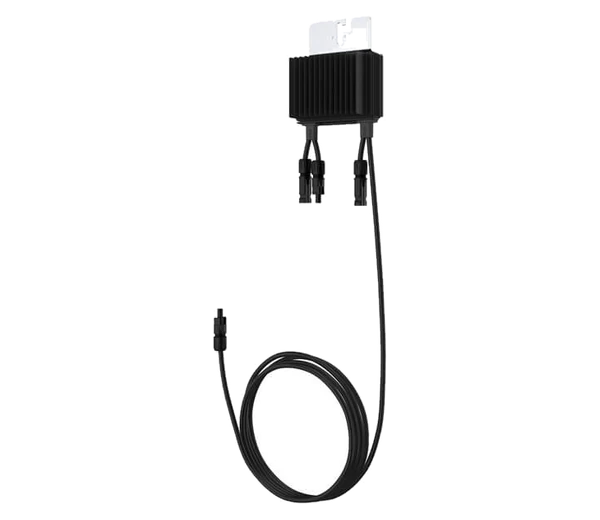
The rapid-shutdown safety system on the 320 kW Tan Sales roof in London.
Case studies
Illustrative photo 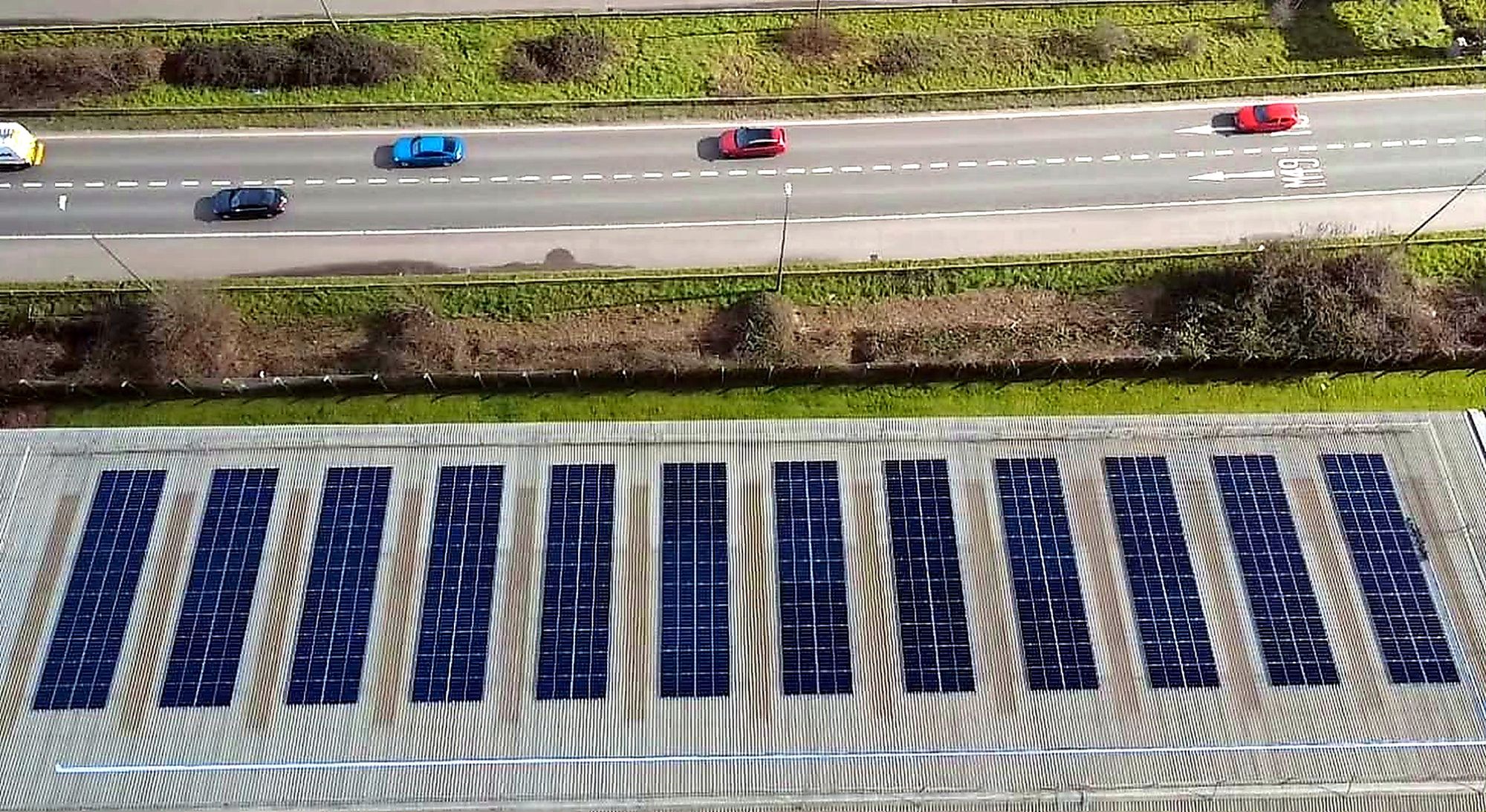
Phased installs
Industrial roofs sit over working floors, loading bays and plant. Phased installs around production mean work fronts and access are planned to fit the site’s shifts and operations — tell us about shift patterns, deliveries and areas to keep clear, and the programme is built around them.
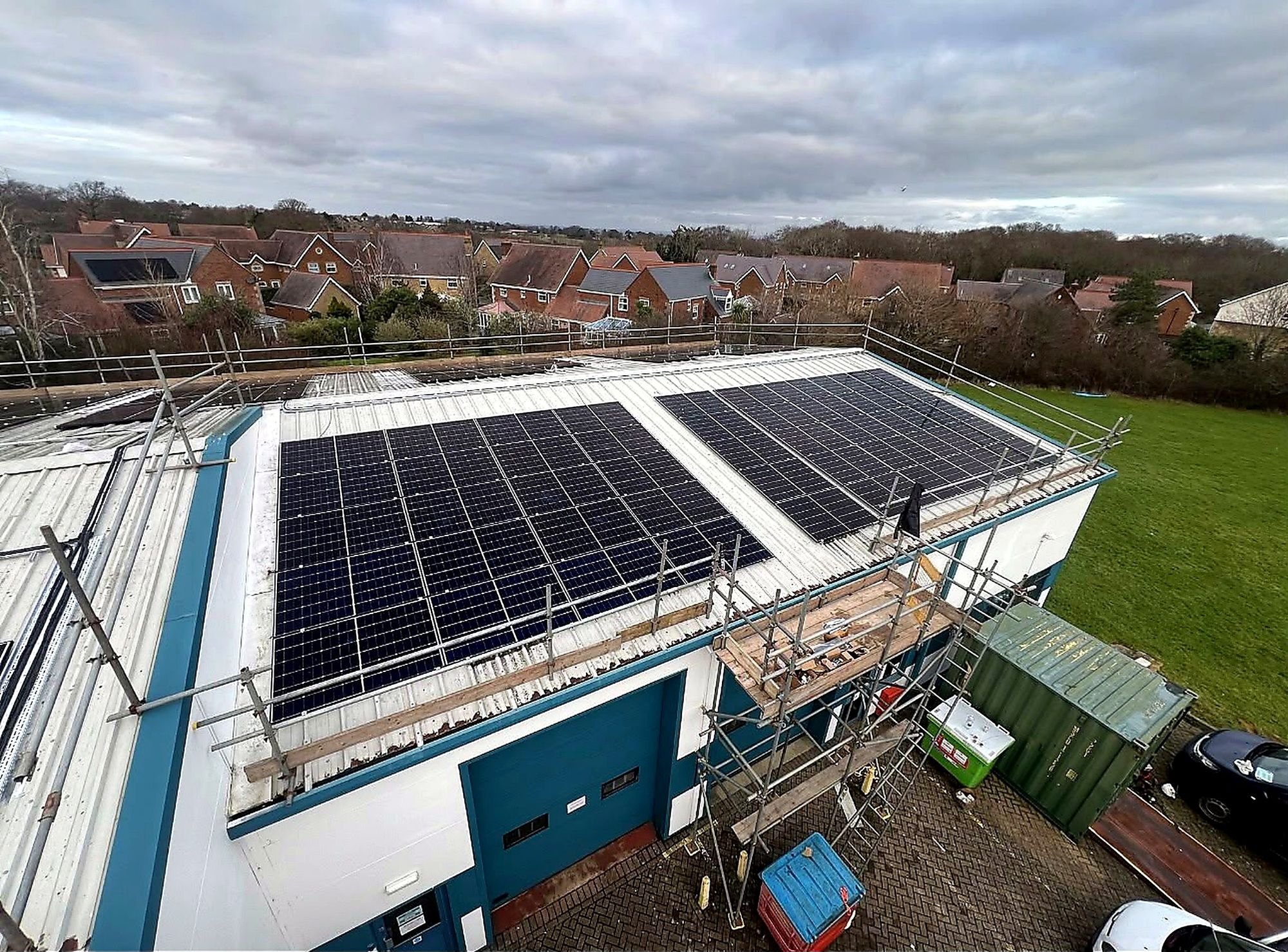
The Caple building at Avonmouth Docks in Bristol is a warehouse on a live industrial dockside. Our in-house team delivered the rooftop mounting, DC cabling and tray/containment package across its standing-seam roof — 115 kW, delivered on programme.
Grants & funding
From PPAs for suitable roofs to asset finance — conditions shown in full on the funding page.
For suitable business roofs
No upfront cost for suitable business, farm and public-sector roofs: a funder installs, owns and maintains the system, and you buy its electricity at an agreed rate for 15–25 years.
For large, suitable roofs
For large, structurally sound roofs: a funder leases the roof space and runs the system, with an option to buy at the end of the term.
For businesses & landlords
Hire purchase, finance lease and operating lease for business solar, battery and EV-charging assets. Solar PV is special-rate plant, so its 100% first-year relief comes through the Annual Investment Allowance. We don’t arrange, broker or advise on finance — take your own tax advice.
Scheme details correct as of 2026. Grant funding, eligibility criteria and tariffs change frequently — always confirm current terms with the scheme administrator or with our team before committing.
How it works
One contractor, fully accountable from feasibility to commissioning.
Send us your roof plan or half-hourly data — we model generation against your actual load profile.
Structural and wind-load assessment, string design and the G99 / DNO application, handled end to end.
Scaffold and access by 100% Access Ltd, then our in-house teams install — phased around your operation where needed.
Testing and certification at handover, then planned and reactive maintenance with 24/7 emergency call-out.
Rapid shutdown
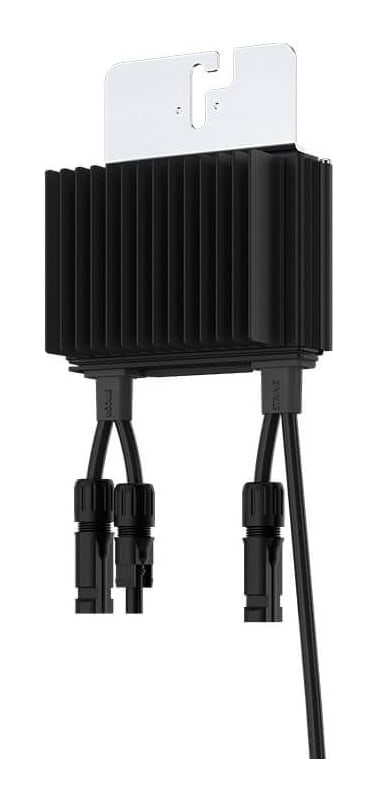
Rapid shutdown drops the DC voltage on the roof to a safe level at the push of a button — essential for firefighter safety and increasingly expected on commercial installs. On a large commercial roof, being able to make the array safe quickly matters to everyone who may need to work on or near it, including the fire service. SolarEdge systems also provide module-level monitoring.
On the 320 kW Tan Sales roof in London — 770 panels across one large standing-seam factory roof — our in-house team installed and commissioned a full SolarEdge rapid-shutdown safety system as part of the electrical works.
FAQs
Straight answers from the team who quotes and installs.
All FAQsSend a roof photo, site plan or half-hourly data on WhatsApp
Message on WhatsAppBecause it shows when your site actually uses power. We model generation against that load profile and come back with capacity, cost, payback and the funding routes available, so the array is sized to the site rather than just the roof. If your site is half-hourly metered, your supplier can usually provide the data.
Yes. Phased installs around production are part of our industrial PV service, with work fronts and access planned around the site’s operation. We have delivered on a live industrial dockside at Avonmouth and a live 24/7 operational site in Gloucester, keeping site safety consistent throughout.
Export limitation can be designed in where required, so the system stays within the export level the DNO agrees while the site uses its own generation. We handle G99 and DNO applications end-to-end, so the limit is settled as part of the design.
It can, if the site meets the funder’s conditions. Under a PPA a funder installs, owns and maintains the system and you buy its electricity at a fixed, discounted rate; under a roof lease the funder pays you to lease the roof. Both typically need a lease of 20–25 years, and PPAs commonly look for annual consumption of 100,000 kWh+ and a roof of 500 m² or more.
Yes. At Tan Sales in London we installed and commissioned a full SolarEdge rapid-shutdown system across a 320 kW, 770-panel roof. Rapid shutdown drops the DC voltage on the roof to a safe level at the push of a button — essential for firefighter safety and increasingly expected on commercial installs.
Related services
Ready when you are
Send us your roof plan or half-hourly data. We’ll model generation against your actual load profile and come back with capacity, cost, payback and the funding routes available.
Where we work, nationwide from Weston-super-Mare