Battery + EV 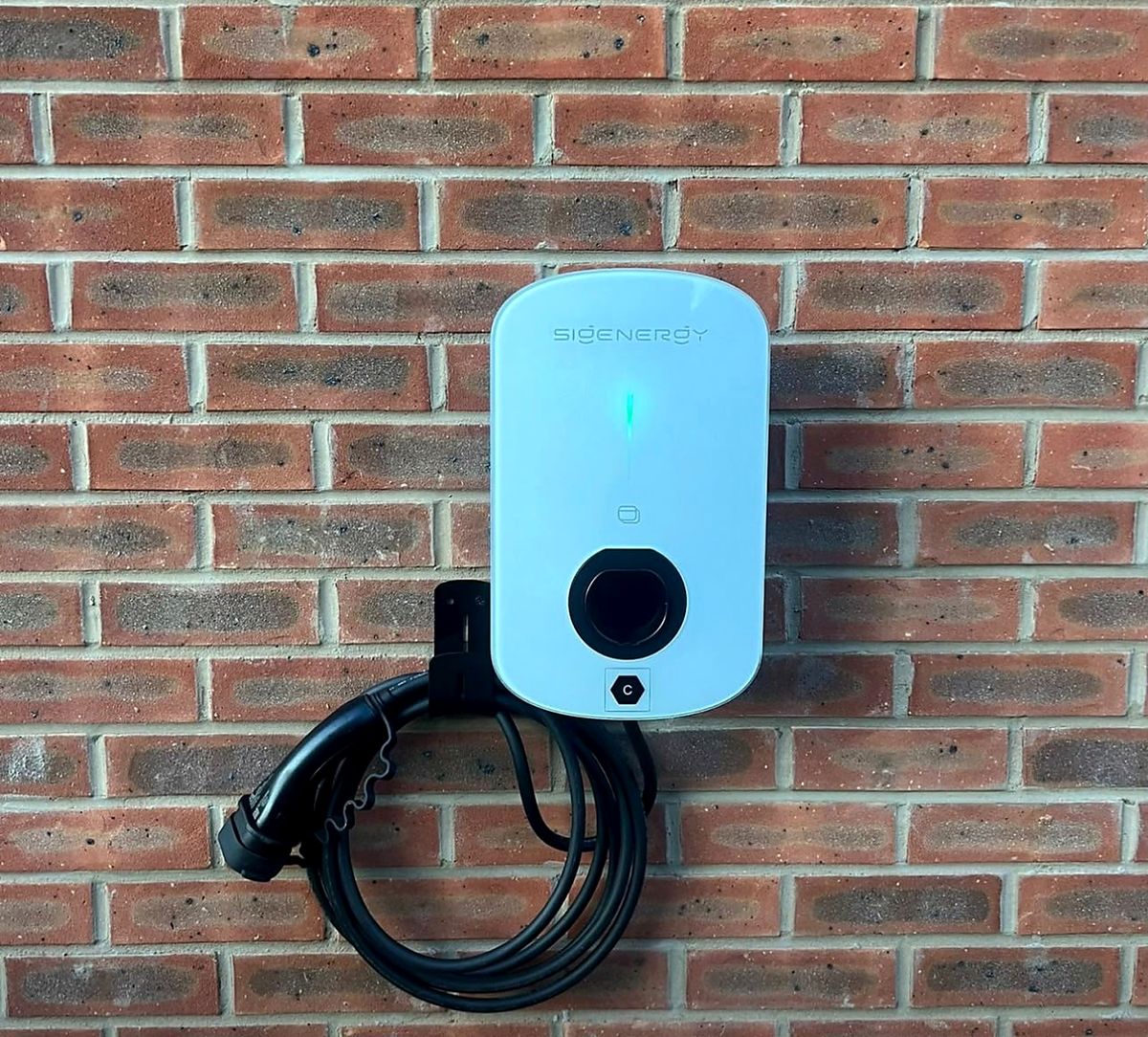

Homes · EV charging
OZEV-approved 7 kW smart chargers that charge from surplus solar or your cheapest tariff window.

What’s included
A smart home charger does far more than refill your car — it talks to your tariff, your solar and your battery to make every mile as cheap and clean as possible.
Surplus solar goes into the car instead of being exported, so daytime miles come from your own roof rather than the grid.
Choose a charger with its own fixed cable, or a socket you plug a separate cable into — our London install is the socketed type.
Set when the car charges from your phone, and the charger schedules itself automatically inside your tariff’s cheap window.
Cover comes from the charger manufacturer, on its own conditions.
If you’d rather the car never drained your home battery on a dull day, we set the charger to see only solar and grid — never the battery.
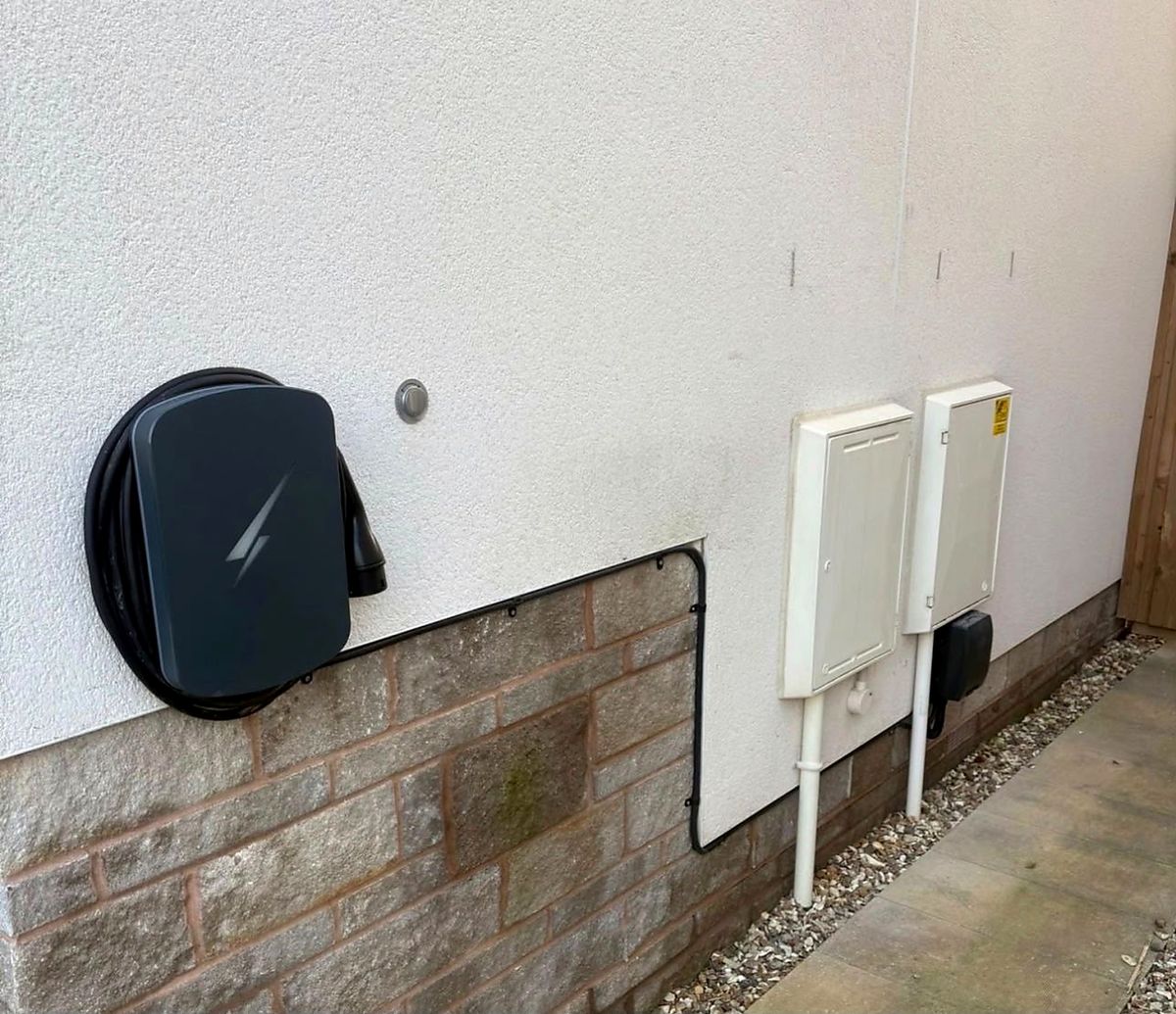
Adding solar or a battery too? The charger can go in on the same install, as the wall-mounted charger did at Haywood Village.
Time-of-use tariffs
Tariffs like Octopus Go and Intelligent Octopus give you cheap windows, often 7p–10p/kWh overnight. Pair a smart charger with a time-of-use tariff and you can typically charge an EV for around 2p per mile at a 7p/kWh overnight rate — a fraction of the cost of petrol. The charger schedules itself automatically inside the cheap window.
Scheduling comes built in: since 30 June 2022, every new charge point sold for home use in Great Britain has had to be smart, able to change when and how fast it charges.
The car charges inside your tariff’s cheap window.
Surplus solar can top it up instead of being exported.
Change the schedule in the app whenever your plans change.
Solar-aware ‘eco’ charging
Solar-aware chargers can route only surplus solar into your car — so you drive on sunshine during the day, without pulling from the grid or your battery. In a fully integrated home, solar powers the house and charges the battery first, and the surplus diverts into the EV.
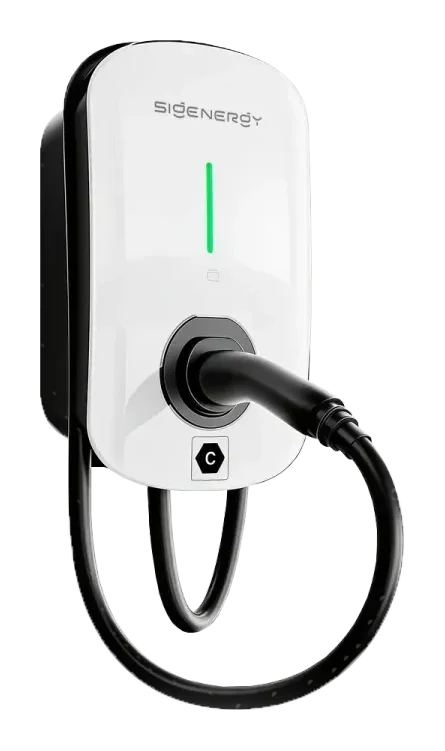
Our London install shows it working: a Sigenergy EV charger alongside a Sigenergy battery with whole-home backup, with self-consumption charging logic commissioned on-site. At Haywood Village, the wall-mounted charger went in as part of the same job as the solar and Fox ESS battery.
Products
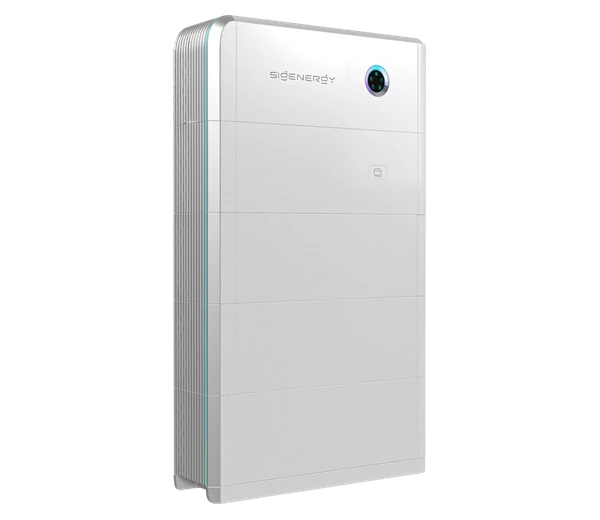
Battery storage with whole-home backup and an EV charger at our London home install.
Recent installs
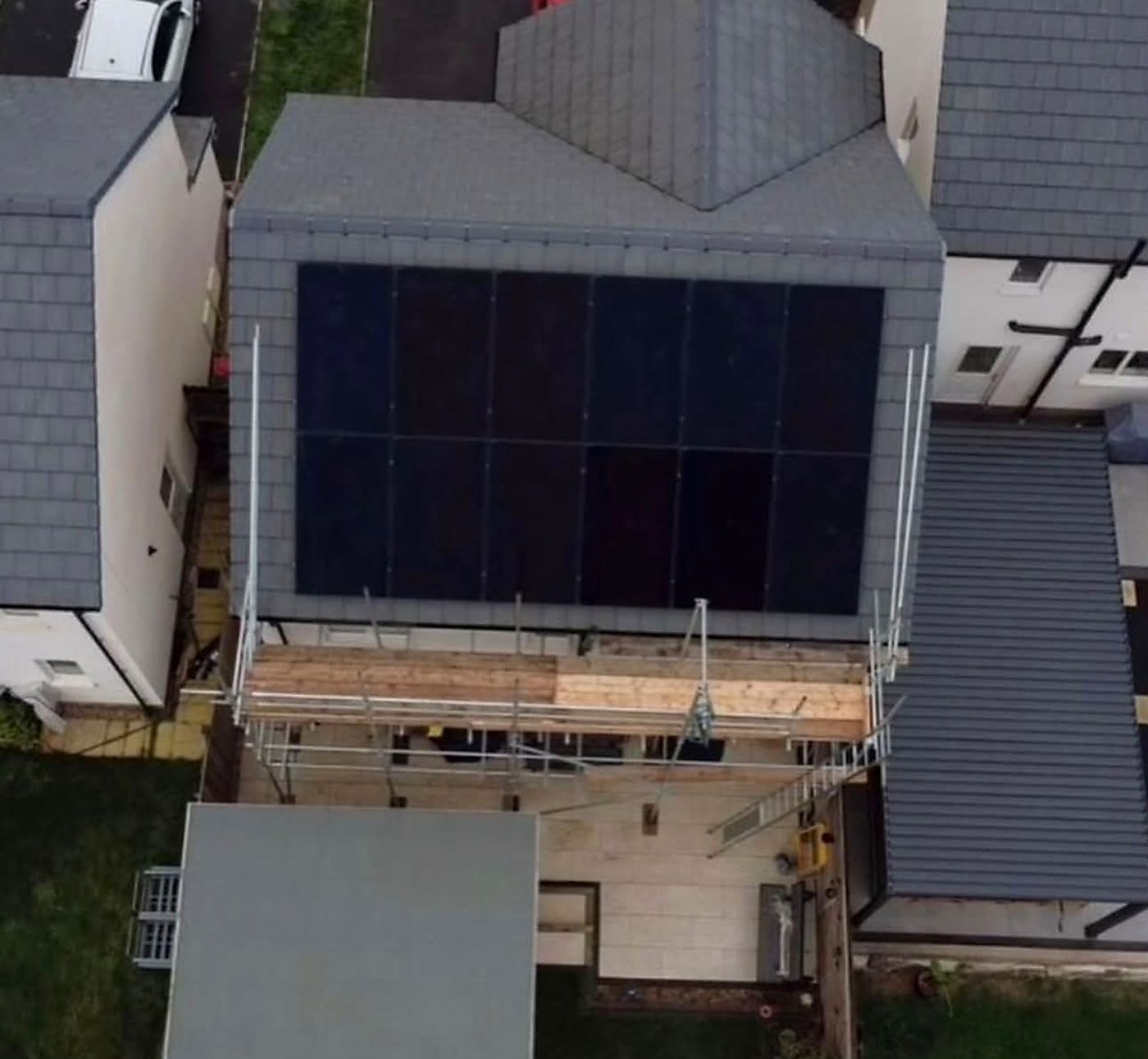
Haywood Village, Weston-super-Mare · Private domestic
Fox ESS battery · EV charger
Protect your home battery
If you don’t want the car draining the home battery on a dull day, we can ‘blind’ the charger so it only sees solar + grid — never the battery. That keeps the battery for your home loads and the evening peak, instead of dumping it into a car you’ll re-charge overnight anyway.
Surplus solar still goes into the car.
Cheap-rate power still charges it overnight.
Stays for the house, and never feeds the car.
How it works
One accountable team from free design to handover — our own engineers, no subcontractors.
Send us your address and bills — we model your roof, generation and savings at no cost.
A one-hour visit to check the roof, loft, consumer unit and cable routes.
Scaffolding by 100% Access Ltd, then our own engineers install.
MCS certificate, DNO notification, app set-up and an optional maintenance plan.
Tethered or socketed
A tethered charger has its cable permanently attached, so you just unhook it and plug in. A socketed charger has an outlet instead: you plug in a separate cable, which keeps the wall tidier and means the cable can be swapped or replaced.
Our London install is socketed, with its cable stored on a holster beside the unit. Our home chargers are 7 kW — a 22 kW charger needs a three-phase supply, which most homes don’t have. Either way, a home charger runs on its own circuit from the consumer unit, one of the things the site survey checks.
What our customers say
Send photos of your roof, fuse box or bill on WhatsApp
Message on WhatsAppYes. A solar-aware charger routes surplus solar into the car during the day instead of exporting it. At our London install, the Sigenergy charger was commissioned with self-consumption charging logic to work with the home’s solar.
On a time-of-use tariff, typically around 2p per mile at a 7p/kWh overnight rate, because the charger schedules itself inside the cheap window. Your own figure depends on your tariff and your car, and daytime top-ups from surplus solar reduce what you draw from the grid.
Not as a rule. The 0% VAT on home installs covers energy-saving materials such as solar panels and batteries until 31 March 2027, and EV chargers aren’t on HMRC’s list of those materials.
Yes. At Haywood Village, the wall-mounted EV charger was installed as part of the same job as the solar and Fox ESS battery, and our London install pairs a Sigenergy charger with a Sigenergy battery.
For most homes, no. Our home chargers are 7 kW, and a 22 kW charger needs a three-phase supply, which most homes don’t have. The site survey checks your consumer unit and cable routes before anything is fitted.
Related services
Ready when you are
Tell us about your property and we’ll design a system around your roof, your usage and your budget — with no obligation.
Where we work, nationwide from Weston-super-Mare