
Most solar batteries do not work in a power cut unless backup is designed in. A standard grid-connected system, panels and battery alike, switches off when the grid goes down. A battery with an Emergency Power Supply (EPS) output, or a system built for whole-home backup, can keep chosen circuits or the whole house running from stored energy, often with the panels still charging it. Which of those you get depends on the inverter, the changeover and the wiring, not on the battery’s size.
Why solar panels switch off when the grid goes down
A grid-connected solar system is built to follow the grid. Under the Energy Networks Association’s connection standards, G98 for small systems and G99 for larger ones, generation has to disconnect when the mains supply is lost. That protects the engineers repairing the network, who must be able to treat a dead cable as dead.
So on a sunny afternoon in a power cut, a home with panels and no backup goes dark like every other house on the street. The panels are still in daylight; the inverter has simply stopped, as the rules require. Panels on their own cannot run the house, because the inverter needs a stable supply to follow.
What a backup battery does differently
A battery with backup creates its own small, separate supply for the home when the grid drops. The system disconnects from the grid first, then powers the backed-up circuits from the battery. Most modern hybrid systems offer Emergency Power Supply (EPS): when the grid drops, essential circuits stay live from the battery, often with solar still charging it.
The disconnection is the important part. Because the home is isolated from the network before the battery takes over, nothing is fed back into the street, and the connection rules are still met. That is why backup is a design choice made at installation, not a switch you flip later.
The four backup arrangements
What stays on in a power cut depends on which of these your system is built as.
| Arrangement | What stays on in a power cut | What it needs |
|---|---|---|
| No backup (standard grid-tied) | Nothing: panels and battery shut down with the grid | Nothing extra |
| EPS socket or single circuit | One dedicated socket or circuit | A hybrid inverter with an EPS output |
| Essential-circuit backup | The circuits you choose, such as fridge, lights, router and boiler controls | An EPS output, a changeover and a separate board for those circuits |
| Whole-home backup | The whole house, within the inverter’s output limit | Equipment built for whole-home backup, with the earthing to match |
None of these is right for every home. A household that wants the fridge, the broadband and a few lights through a winter cut may be well served by essential-circuit backup. A home that wants to carry on almost as normal needs whole-home equipment, sized for the loads it will carry.
Essential circuits or the whole house?
With essential-circuit backup, the circuits that matter are moved onto their own board, and only that board is fed from the battery during a cut. It keeps the important things running and stops a kettle or an electric shower draining the battery in minutes.
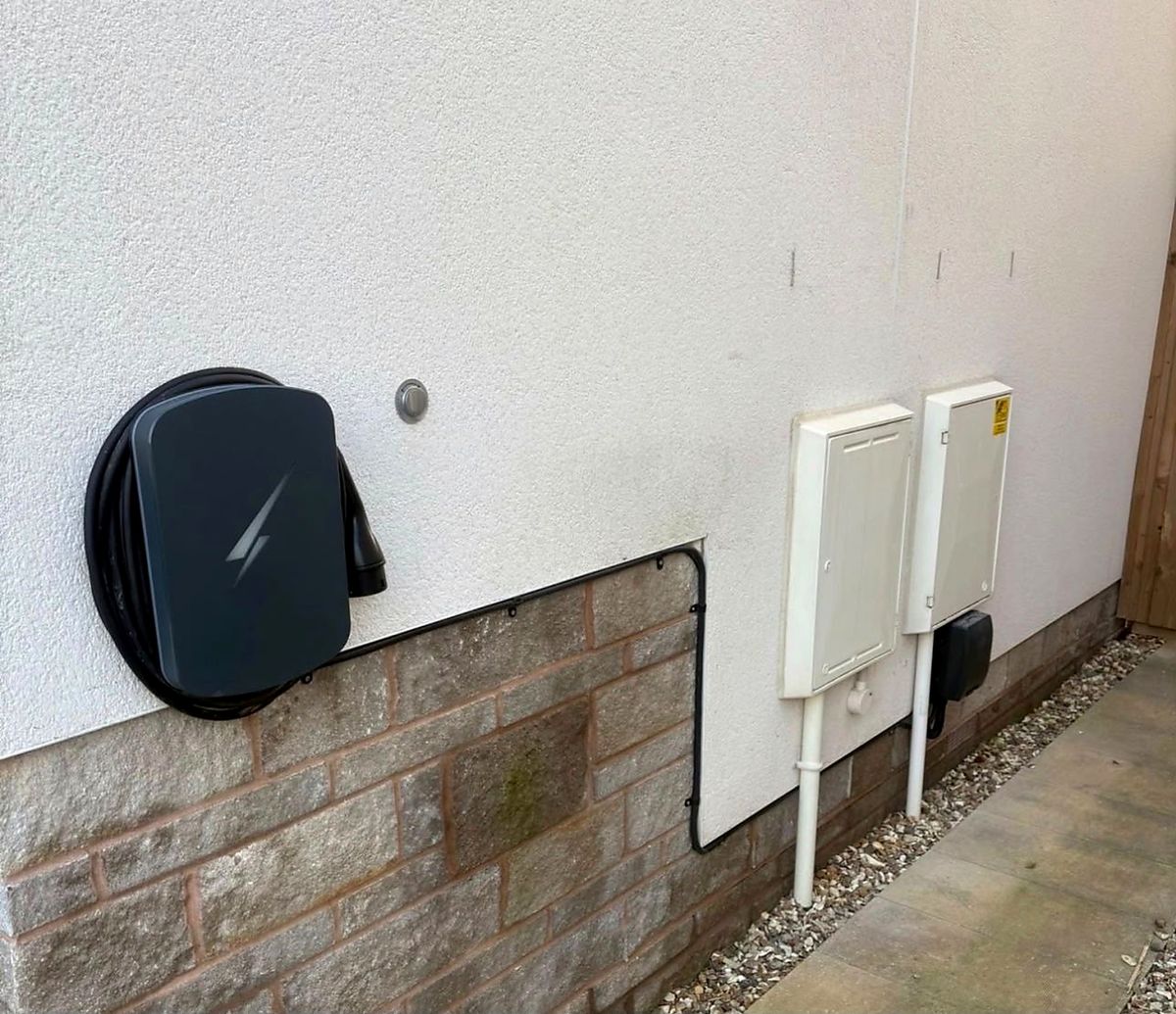
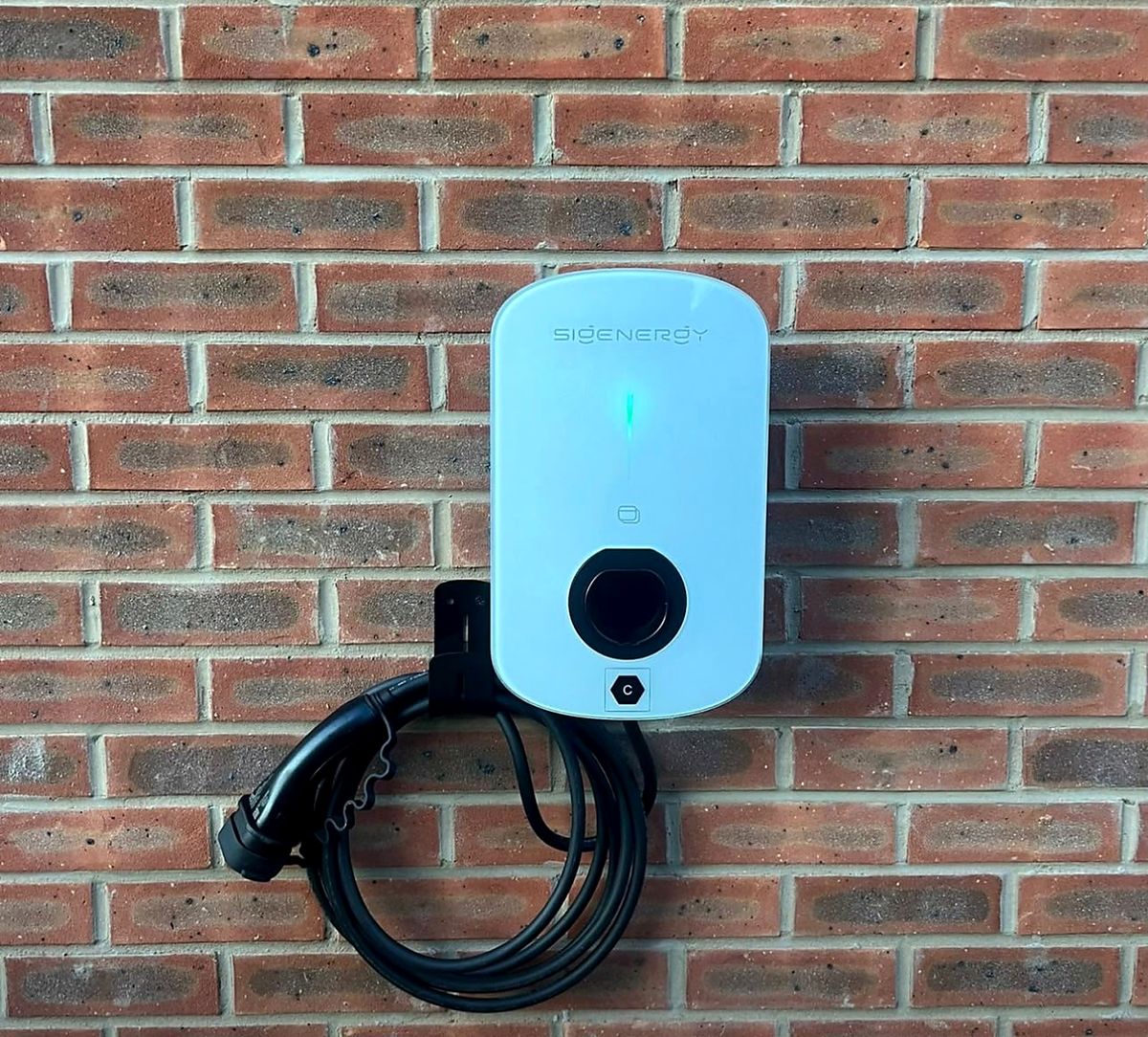
Whole-home backup keeps every circuit available, but what can run at once is still capped by the inverter’s backup output. Our London install pairs a Sigenergy battery configured for whole-home backup with a Sigenergy EV charger, commissioned with the homeowner’s solar for self-consumption charging and power during grid outages. Even there, the design sets out what the system can carry together.
How long a battery lasts in a power cut
The arithmetic is simple: usable capacity divided by the power you draw. A battery with 10 kWh usable, running around 500 W of essentials, lasts roughly 20 hours, a little less once inverter losses are counted. Add an oven or an electric shower, each drawing several kilowatts, and the same battery may last an hour or two.
Two things change that figure in practice:
- How full the battery is when the cut starts. A battery that has just run the evening peak may be nearly empty. Many systems let you keep a reserve that is held back for backup.
- Whether the panels can keep charging. On many hybrid systems solar carries on topping up the battery during a daytime cut, which can stretch the backup well beyond its stored capacity.
Can the panels recharge the battery during a cut?
Often, on a hybrid system where the panels and battery share one inverter with a backup output. Once the home is running on its own supply, the inverter can keep feeding solar into the battery and the backed-up circuits.
With a battery added later to an older array (an AC-coupled retrofit), it depends on the equipment. The existing solar inverter may stay off for the whole cut. If daytime recharging matters to you, ask about it specifically before choosing the system.
Automatic or manual changeover
Some backup systems switch over automatically when the grid drops; others need a switch to be turned by hand. How quickly the changeover happens also varies with the equipment: some loads ride through, while a computer or a router may restart. Your design should say which you are getting, and how the system returns to the grid when power comes back.
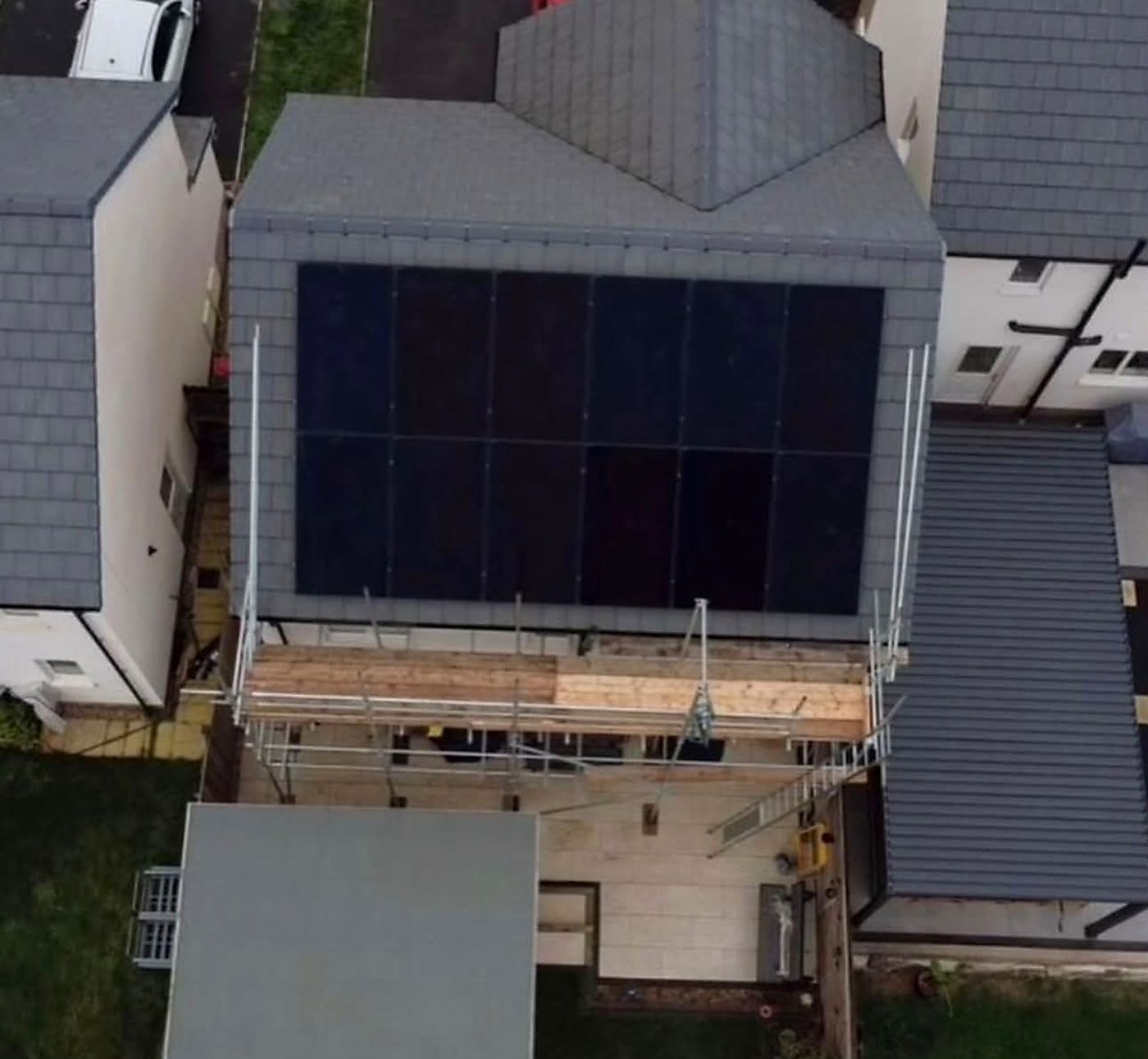
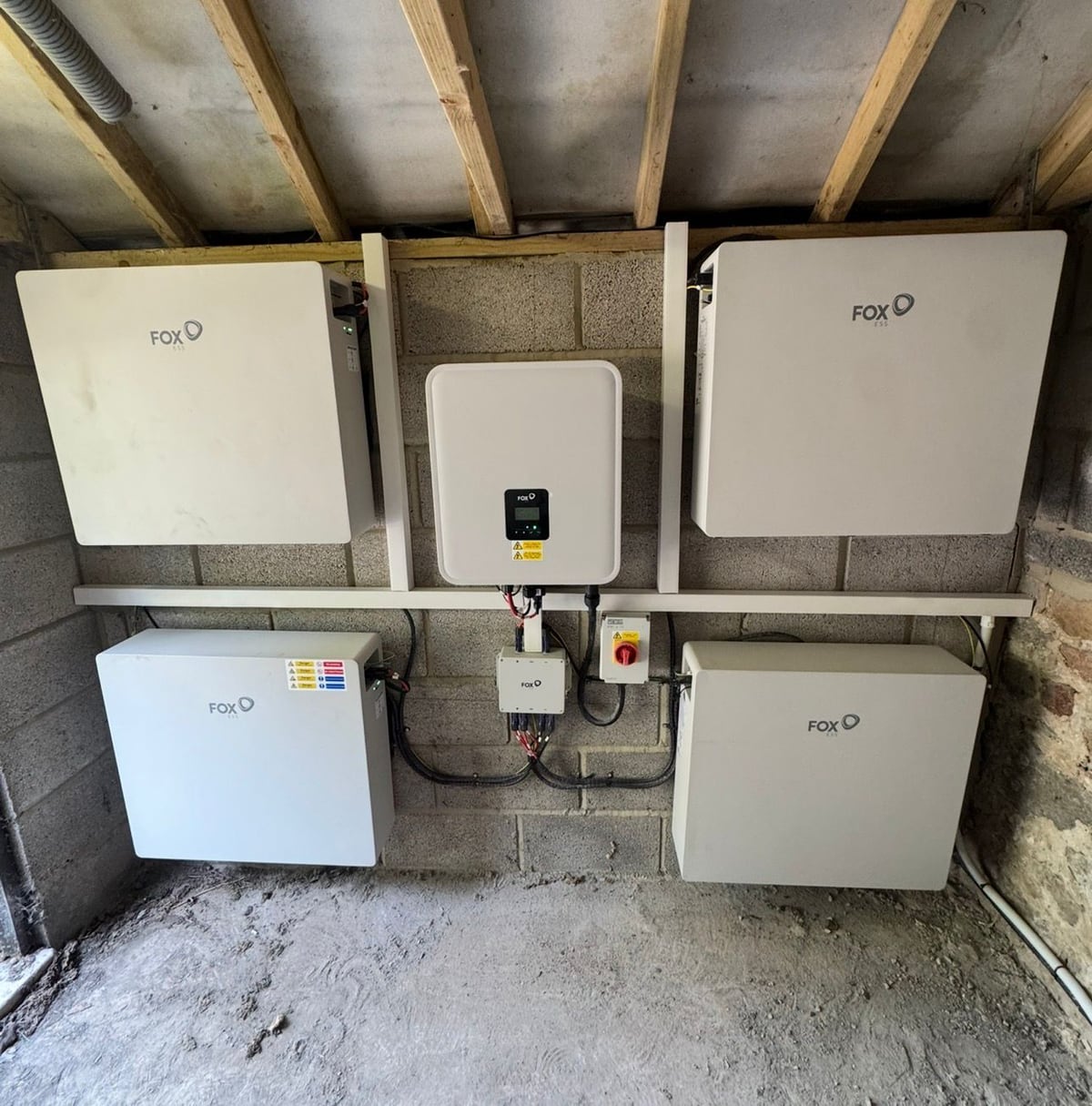
At our Shiplate install in Bleadon, a 10 kWh Fox ESS battery with AC/EPS changeover sits alongside a 12 kW all-black array, with three-string DC isolation and a PV schematic and shutdown procedure issued at handover, so the homeowner knows how the system behaves.
Earthing and safety in backup mode
When a home is cut off from the grid, it can also lose the earth reference the network normally provides. A backup system therefore needs earthing designed for running on its own, to BS 7671 and the IET’s Code of Practice for Electrical Energy Storage Systems. It is one of the reasons backup should be designed at installation rather than improvised afterwards.
The grid connection is handled in the normal way. A home battery that can export counts towards the system’s generation, so it is part of the G98 notification for a small system, or a G99 application above 16 A per phase.
Adding backup to a battery you already have
Sometimes it can be done. It depends on whether your inverter has a backup or EPS output at all, whether a changeover and an essential-circuit board can be fitted, and what the earthing arrangement needs. Some batteries simply have no backup function.
If you are buying new, ask for backup to be part of the design from the start, and decide which circuits matter before the battery is sized. Our Fox ESS battery storage page and our Sigenergy page cover the kit we install.
Backup and running costs work together
Backup is one job a battery can do; saving money is the other. A battery on a time-of-use tariff charges in a cheap overnight window and runs the house through the evening peak, which our guide to time-of-use tariffs and home batteries explains. Keeping a reserve for power cuts means that share of the battery is not available for those savings, so the reserve is a trade-off worth setting deliberately.
On cost, battery installations in homes are zero-rated for VAT until 31 March 2027, then 5% from 1 April 2027. That includes a battery added to existing solar; our guide to VAT on solar panels and batteries explains what the relief covers.
Planning a battery with backup
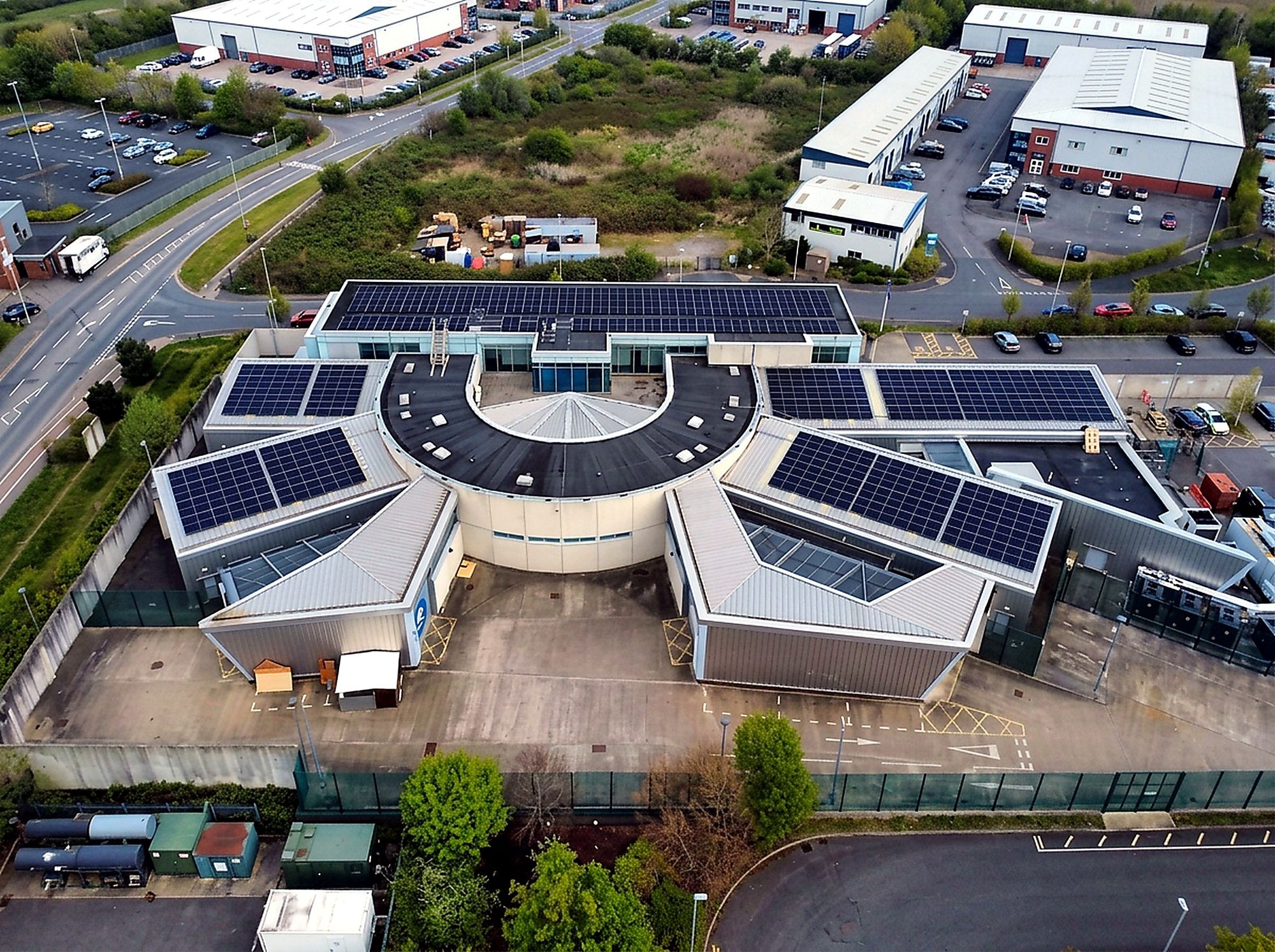
Start with the circuits you want kept on and how long they need to run, then choose the arrangement and the battery around them. Our home battery storage page sets out the systems and backup options we install, and you can pair storage with solar panels for your home. For a business site with critical loads, see commercial battery storage. When you are ready, book a site survey and we will set out exactly what stays on in a power cut before anything is installed.