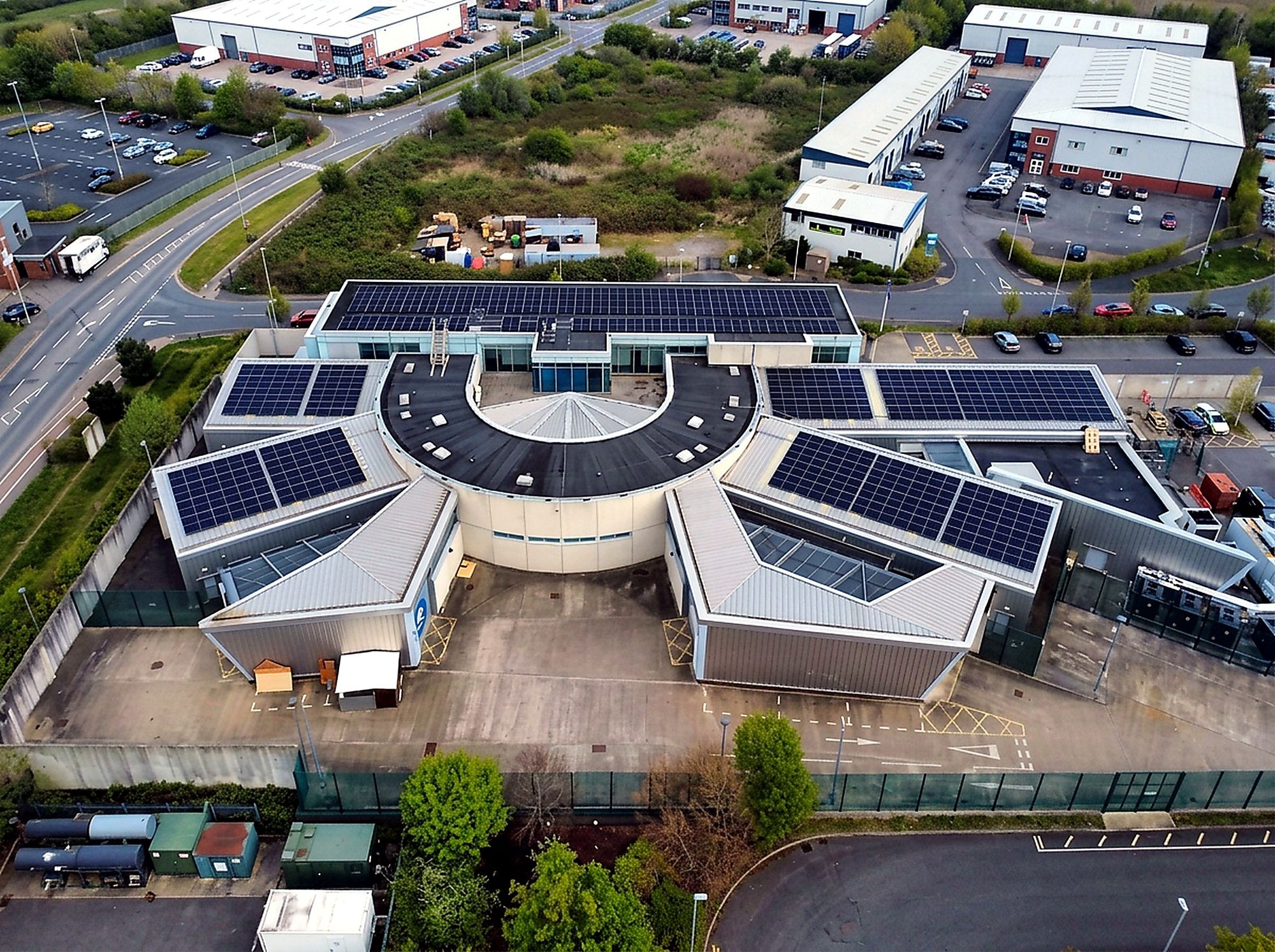

For homeowners, there’s currently no VAT on installing solar panels or a battery. The zero rate for energy-saving materials runs until 31 March 2027. It covers the equipment and the fitting together, and the installer applies it on the quote — there’s no form to fill in and nothing to claim back. This guide covers what qualifies, what catches people out, and what changes after the deadline.
What 0% VAT on solar panels covers
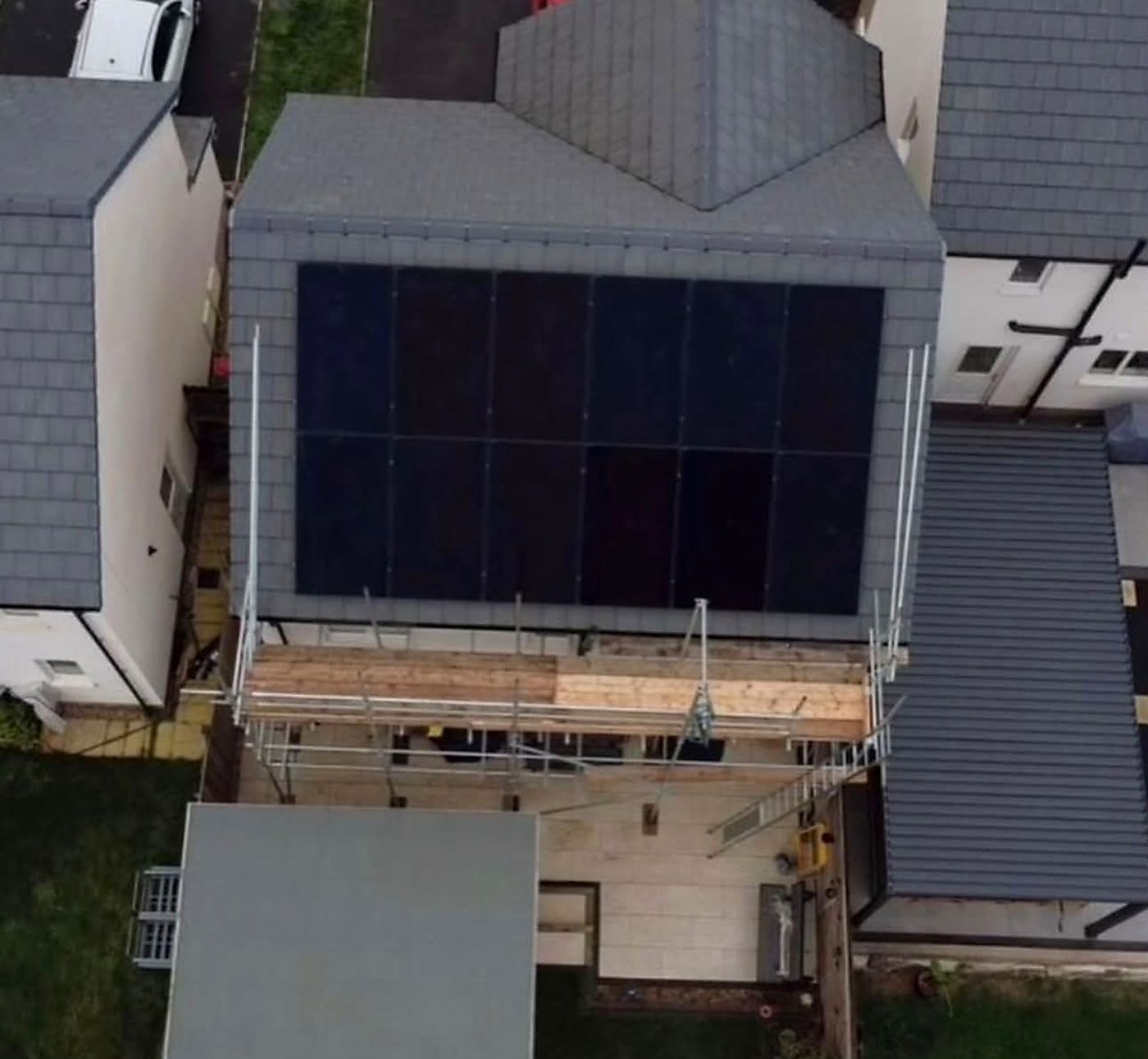
HMRC sets out the rules in VAT Notice 708/6, Energy-saving materials and heating equipment. The relief applies to installing energy-saving materials in residential accommodation and, since 1 February 2024, in buildings used solely for a relevant charitable purpose — village halls are the government’s own example. For a home renewables install, the items on the list that matter most are:
- Solar panels — HMRC’s definition of photovoltaic panels includes the cabling, control panel and AC/DC inverter
- Batteries for storing electricity, added from 1 February 2024
- Insulation, draught stripping and controls for central heating and hot water systems
- Smart diverters, also added from 1 February 2024, which automatically send electricity from your solar to appliances in the home
In one line:
VAT is zero-rated on the supply and installation of solar PV, batteries (including standalone retrofit batteries), insulation and certain controls for residential properties.
Which buildings count as residential
‘Residential accommodation’ is wider than houses and flats. Alongside houses, blocks of flats and other dwellings, HMRC’s list includes self-catering holiday accommodation, care homes, hospices, student accommodation, and caravans or houseboats used as a permanent home. Hospitals, prisons and hotels are the notable exceptions — installations there are standard-rated.
The zero rate applies across the UK. In Northern Ireland, where the reduced rate applied until 30 April 2023, the zero rate has applied since 1 May 2023.
Batteries count on their own
Batteries are where the rules changed most recently, and where we still hear the most confusion. From 1 February 2024, HMRC’s notice covers three situations:
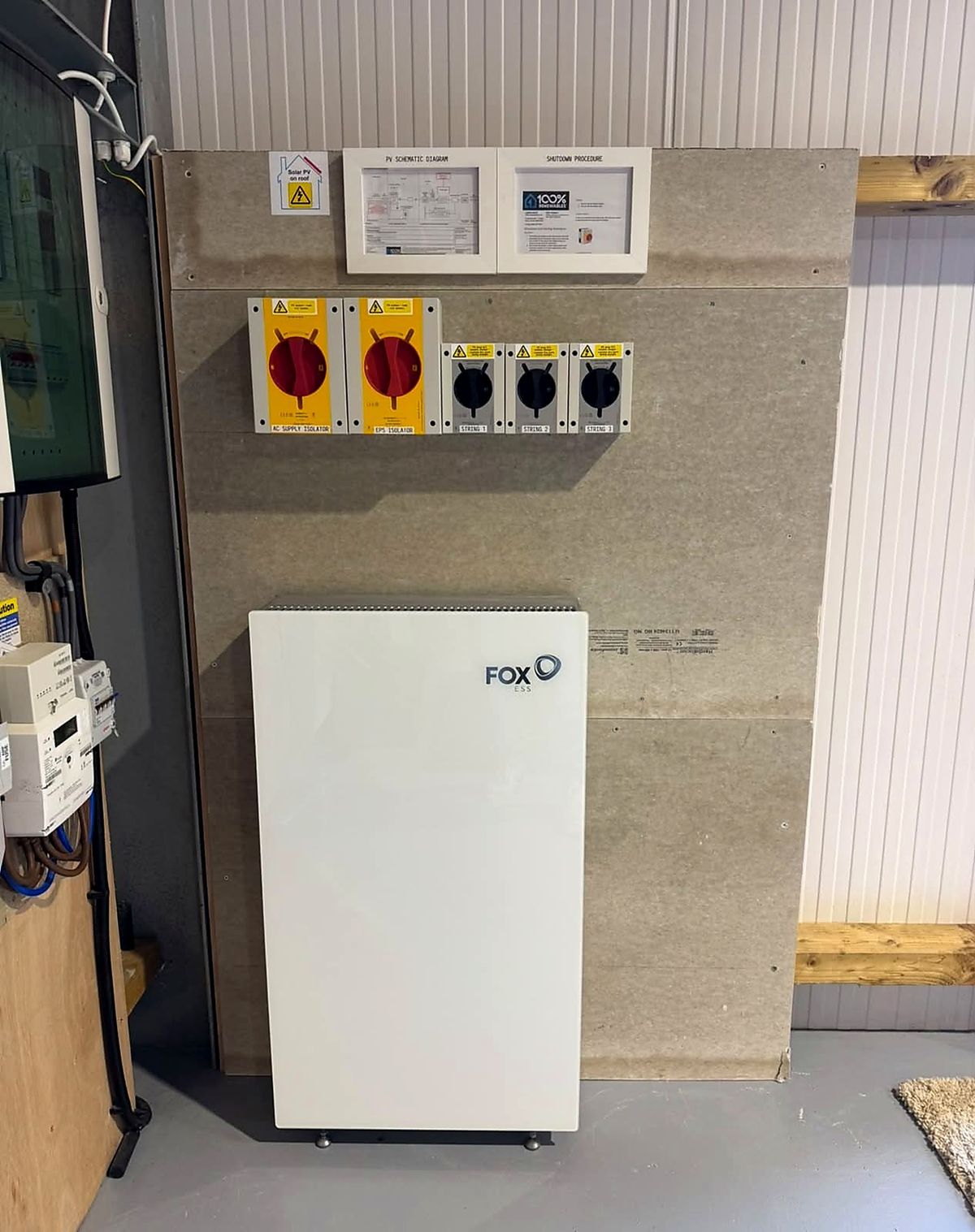
- retrofitting a battery to store electricity generated by existing solar panels
- installing a standalone battery that stores electricity from the grid
- installing a battery that stores electricity from solar panels and the grid
A battery fitted as part of a new solar installation normally forms part of the same zero-rated supply. So if you already have panels and want storage, or you want a battery purely to charge on a cheap overnight tariff, the zero rate can still apply. Our guide to time-of-use tariffs and home batteries explains how that second option works in practice.
What isn’t covered
Three things regularly catch people out.
EV chargers. Home EV chargers aren’t on HMRC’s list of energy-saving materials, so this relief doesn’t cover them — and fitting one in the same visit as panels or a battery doesn’t change that. The panels and battery stay zero-rated; the charger doesn’t. There’s more on chargers in our post on smart EV charging with solar.
Kit bought without installation. The notice is clear that a retailer’s sale of energy-saving materials is always standard-rated. If you buy panels or a battery yourself and pay someone to fit them, the installation service can be zero-rated, but the kit you bought isn’t. When the installer supplies and fits everything, both parts are covered.
Business premises. The relief is for residential accommodation and qualifying charitable buildings, so offices, shops, factories and warehouses fall outside it. Commercial installs have a different set of routes, covered in our guide to paying for commercial solar.
How it’s applied at quote stage
The zero rate isn’t a grant or a rebate. It’s how the installer charges VAT on the job, so it’s on the quote and the invoice from the start — applied at quote stage, no claim required.
When we design a home system, the qualifying equipment and installation carry no VAT. If the job includes something outside the relief, such as an EV charger, that part is priced with VAT, so you can see exactly where tax applies. When you compare quotes, look at the VAT line. Standard-rated work carries VAT at 20%, and a quote that adds it to a home solar or battery installation is worth questioning.
What happens after 31 March 2027
The zero rate is temporary. HMRC’s notice says that from 1 April 2027, installations of energy-saving materials revert to the reduced rate of VAT of 5% — not the 20% that’s sometimes assumed. So there’s no need to be rushed by anyone suggesting the relief disappears entirely in 2027, but the difference between 0% and 5% is still worth planning around.
If your installation is likely to land close to the deadline, raise it early so the timing is clear before you commit. Rules and dates can change, so we confirm the current position for your home when we quote.
How it fits with other support
The VAT relief sits alongside other schemes rather than replacing them. Exported solar can earn payments from your electricity supplier under the Smart Export Guarantee. Our grants and funding page lists each scheme with its conditions in one place. Planning is a separate question: most roof arrays on houses are permitted development, as our guide to planning permission for solar panels explains, with the exceptions for listed homes and conservation areas.
Get a quote with the VAT position clear
If you’re planning solar panels or battery storage, send us your address and bills and we’ll model your roof, generation and savings at no cost. You can run your own numbers first with our savings calculator, or book a site survey — a one-hour visit to check the roof, loft, consumer unit and cable routes.